
In recent years, Ashwagandha has become a “star” in the dietary supplement industry thanks to its potential benefits for reducing stress and improving sleep. However, a legal and safety debate has emerged around the use of the leaf, rather than the root, of this plant.
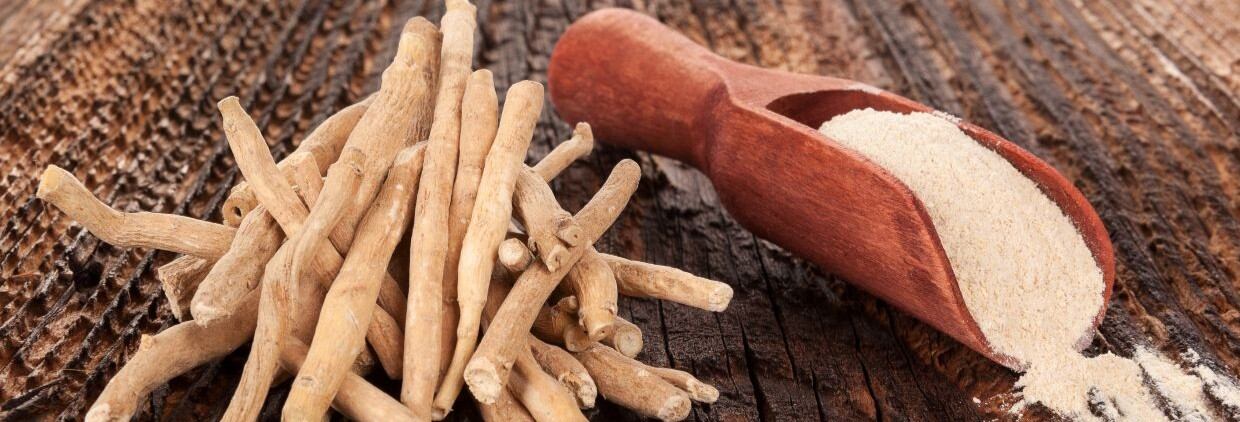
Ashwagandha has become a “star” in the dietary supplement industry thanks to its potential benefits for reducing stress and improving sleep.
The Ministry of Ayush — the Indian government body responsible for traditional medicine — has issued an official notice stating that the use of Ashwagandha leaves is not permitted in food products. According to experts, ancient Ayurvedic texts recognize the value of the root. The use of the leaves is considered a potentially risky “innovation” driven by commercial purposes.
Although Ashwagandha leaves contain high levels of Withanolides, the key active compounds, they also contain relatively high levels of Withaferin A. At high concentrations, this compound has cytotoxic properties, making it more relevant to certain cancer research applications than to daily use in health supplements.
Because leaves are significantly less expensive than roots, the practice of mixing leaves into root-based raw materials (adulteration) has become an increasingly complex issue. This has prompted organizations such as the United States Pharmacopeia (USP) to update and strengthen testing methods to distinguish between root and leaf materials based on their chemical fingerprints.
For both businesses and consumers, ensuring transparent sourcing and the use of 100% Ashwagandha root is not only a matter of regulatory compliance, but also an important responsibility in the health and wellness industry.
🔗 Original reference: https://www.nutraingredients.com/News/Promotional-features/ashwagandha-leaf-ban-puts-adulteration-under-scrutiny/

